2025년 고2 9월 모의고사 30번 해설 및 분석
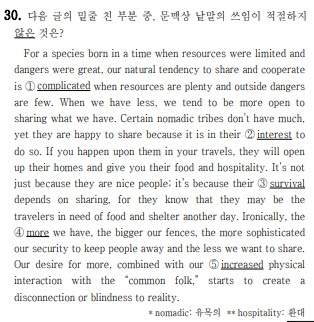
1) 문제 제시 (영어 지문 + 선택지)
Passage (원문 그대로, 밑줄 번호 표기)
Although empathy is widely praised by scholars and public figures, not everyone is an empathy booster. Critics of empathy argue that empathy will not save us from interpersonal and intergroup conflict. In fact, they argue, empathy makes such conflicts ① worse. These critics maintain that empathy can be exhausting and lead to burnout or insensitivity to suffering. They argue that we tend to empathize strongly with our in-group and ② resist empathizing with out-groups, and even enjoy the suffering of out-groups in competitive or threatening contexts. Thus, the prescription for more empathy is often ③ efficient in cases of conflict. Empathy, they argue, can further encourage conflict and force us into an us vs. them mentality. Finally, even when we try to empathize with others who are dissimilar from us or in unfamiliar contexts, sometimes we are ④ unable to accurately empathize with their experiences, causing further misunderstandings and frustration. Critics of empathy argue that we should give up on empathy and employ other tools in ⑤ pursuit of social harmony, e.g., rational compassion or moral emotions like fear, anger, and shame.
Question | 문제
밑줄 친 부분 중, 문맥상 낱말의 쓰임이 적절하지 않은 것은?
Options (영/한)
① worse — 더 나쁘게
② resist — 저항하다/꺼리다
③ efficient — 효율적인 ❌ (문맥상 부적절 → inefficient / ineffective가 맞음)
④ unable — ~할 수 없는
⑤ pursuit — 추구
2) 직독직해 (문장별 어휘·문법 포함)
S1
EN (slash) Although empathy is widely praised by scholars and public figures, / not everyone is an empathy booster.
KR 직독 비록 공감은 학자들과 공인들에게 널리 칭송받지만, / 모든 사람이 공감 증진가인 것은 아니다.
자연 해석 공감은 칭찬받지만 모두가 공감을 찬성하는 건 아니다.
Vocab/Expr widely praised(널리 칭송된) | public figure(공인) | booster(촉진자).
Grammar 양보절 Although S V, S V.
1. 문장 뼈대
- 양보절: Although empathy is widely praised by scholars and public figures
- 주절: not everyone is an empathy booster
👉 “비록 공감이 학자들과 공인들에게 널리 칭송받고 있지만, 모든 사람이 공감을 북돋우는 것은 아니다.”
2. 부분 분석
- Although empathy is widely praised …
- although = 비록 ~이지만
- empathy = 공감
- is widely praised = 널리 칭송받다
- by scholars and public figures = 학자들과 공인들에 의해
- not everyone is an empathy booster.
- not everyone = 모든 사람이 ~인 것은 아니다
- empathy booster = 공감을 북돋우는 사람
👉 “모든 사람이 공감을 북돋우는 것은 아니다”
3. 직독직해
- Although / empathy / is widely praised / by scholars and public figures,
➡ 비록 / 공감이 / 널리 칭송받고 있지만 / 학자들과 공인들에 의해, - not everyone / is / an empathy booster.
➡ 모든 사람이 / ~인 것은 아니다 / 공감을 북돋우는 사람.
4. 자연스러운 번역
비록 공감이 학자들과 공인들에게 널리 칭송받고 있지만, 모든 사람이 공감을 북돋우는 것은 아니다.
5. 문법·표현 포인트
- Although 절
- 양보절: “~이지만, ~에도 불구하고”
- widely praised
- 과거분사 praised + 부사 widely → “널리 칭송받는”
- not everyone …
- 전체 부정이 아니라 “일부는 그렇지 않다”는 의미
- = “some people are not …”
- empathy booster
- booster = 촉진자, 강화하는 것/사람
- empathy booster = 공감을 북돋우는 사람
6. 표현 정리 (영 → 한)
| although ~ | 비록 ~이지만 |
| be widely praised | 널리 칭송받다 |
| public figures | 공인, 유명인 |
| not everyone ~ | 모든 사람이 ~인 것은 아니다 |
| empathy booster | 공감을 북돋우는 사람 |
👉 여기서 핵심은 not everyone = 일부 부정과 although 양보절이에요.
S2
EN Critics of empathy argue that empathy will not save us from interpersonal and intergroup conflict.
KR 공감 비판가들은 공감이 대인/집단 간 갈등에서 우리를 구해 주지 못한다고 주장한다.
Vocab save A from B(B로부터 구하다) | interpersonal(대인) | intergroup(집단 간).
1. 문장 뼈대
- 주어: Critics of empathy
- 동사: argue
- 목적어(명사절): that empathy will not save us from interpersonal and intergroup conflict
👉 “공감의 비판자들은 공감이 개인 간 및 집단 간 갈등으로부터 우리를 구해주지는 못할 것이라고 주장한다.”
2. 부분 분석
- Critics of empathy
- critics = 비판자들
- of empathy = 공감의
👉 “공감의 비판자들”
- argue that ~
- argue = 주장하다
- that 이하 = 목적어 절
- empathy will not save us from …
- will not save us = 우리를 구해주지 않을 것이다
- from interpersonal and intergroup conflict = 개인 간, 집단 간 갈등으로부터
3. 직독직해
- Critics of empathy / argue
➡ 공감의 비판자들은 / 주장한다 - that empathy / will not save us / from interpersonal and intergroup conflict.
➡ 공감이 / 우리를 구해주지 못할 것이라고 / 개인 간 및 집단 간 갈등으로부터.
4. 자연스러운 번역
공감의 비판자들은 공감이 개인 간 및 집단 간 갈등으로부터 우리를 구해주지는 못할 것이라고 주장한다.
5. 문법·표현 포인트
- critics of ~
- ~의 비판자들
- 예: critics of capitalism (자본주의 비판자들)
- argue that ~
- ~라고 주장하다 (뒤에 명사절)
- save A from B
- A를 B로부터 구하다
- 여기서는 us from conflict
- interpersonal vs intergroup
- interpersonal = 개인 간의
- intergroup = 집단 간의
6. 표현 정리 (영 → 한)
| critics of empathy | 공감의 비판자들 |
| argue that ~ | ~라고 주장하다 |
| save A from B | A를 B로부터 구하다 |
| interpersonal conflict | 개인 간 갈등 |
| intergroup conflict | 집단 간 갈등 |
👉 여기서 중요한 건 save A from B 구조예요.
S3
EN In fact, they argue, empathy makes such conflicts ① worse.
KR 사실 공감은 그런 갈등을 더 악화시킨다.
Vocab/Colloc make + O + adj. (O를 ~하게 만들다) | make matters worse(사태를 악화시키다). ✔ 적절
1. 문장 뼈대
- 부사: In fact
- 삽입구: they argue
- 주절: empathy makes such conflicts worse
👉 “사실, 그들이 주장하기를, 공감은 그런 갈등을 더 악화시킨다.”
2. 부분 분석
- In fact,
- 사실은, 실제로
- they argue (삽입구)
- 그들이 주장하기를
- 문장 중간에 들어가 **“~라고 그들이 말한다”**라는 의미를 덧붙임
- empathy makes such conflicts worse
- empathy = 공감
- make O + 형용사 = O를 ~하게 만들다
- such conflicts = 그런 갈등들
- worse = 더 나쁘게, 더 악화된
👉 “공감은 그런 갈등을 더 악화시킨다”
3. 직독직해
- In fact,
➡ 사실은, - they argue,
➡ 그들이 주장하기를, - empathy / makes / such conflicts / worse.
➡ 공감은 / 만든다 / 그런 갈등들을 / 더 악화시키게.
4. 자연스러운 번역
사실, 그들이 주장하기를, 공감은 그런 갈등을 더 악화시킨다.
5. 문법·표현 포인트
- 삽입구 (they argue)
- 주절의 의미를 방해하지 않고 부가 설명
- 문장 앞/중간/뒤 어디든 올 수 있음
- 예: Empathy, they argue, is not always helpful.
- make O + 형용사
- O를 ~하게 만들다
- empathy makes conflicts worse = 공감은 갈등을 더 악화시킨다
- worse
- bad → worse → worst (비교급 → 최상급)
- 여기서는 “더 심각하게”
6. 표현 정리 (영 → 한)
| in fact | 사실은, 실제로 |
| they argue (삽입구) | 그들이 주장하기를 |
| make O + 형용사 | O를 ~하게 만들다 |
| such conflicts | 그런 갈등들 |
| worse | 더 나쁜, 더 악화된 |
👉 이 문장에서 핵심은 **삽입구(, they argue,)**와 make O + 형용사예요.
S4
EN These critics maintain that empathy can be exhausting and lead to burnout or insensitivity to suffering.
KR 공감은 지치게 하고 번아웃이나 고통에 둔감해짐으로 이어질 수 있다고 그들은 주장한다.
Vocab maintain(주장하다) | exhausting(지치게 하는) | burnout(번아웃) | insensitivity to ~(~에 둔감).
1. 문장 뼈대
- 주어: These critics
- 동사: maintain
- 목적어 (명사절): that empathy can be exhausting and lead to burnout or insensitivity to suffering
👉 “이 비평가들은 공감이 고갈감을 일으킬 수 있고, 번아웃이나 고통에 대한 무감각으로 이어질 수 있다고 주장한다.”
2. 부분 분석
- These critics
- 이런 비평가들은
- maintain that ~
- ~라고 강하게 주장하다
- argue보다 더 확신에 찬 주장을 할 때 씀
- empathy can be exhausting
- empathy = 공감
- can be = ~일 수 있다
- exhausting = 지치게 하는, 고갈시키는
- and lead to burnout or insensitivity to suffering
- lead to = ~로 이어지다
- burnout = 번아웃 (심리적·육체적 탈진)
- insensitivity to suffering = 고통에 대한 무감각
3. 직독직해
- These critics / maintain
➡ 이런 비평가들은 / 주장한다 - that empathy / can be exhausting
➡ 공감이 / 지치게 할 수 있고 - and / (can) lead to / burnout or insensitivity to suffering.
➡ 그리고 / 이어질 수 있다 / 번아웃이나 고통에 대한 무감각으로.
4. 자연스러운 번역
이 비평가들은 공감이 사람을 지치게 하고, 번아웃이나 고통에 대한 무감각으로 이어질 수 있다고 주장한다.
5. 문법·표현 포인트
- maintain that ~
- “~라고 강하게 주장하다”
- argue보다 더 확고하고 단정적인 뉘앙스
- can be exhausting
- be + 형용사
- exhausting = 사람을 지치게 하는 (현재분사 → 성질 묘사)
- lead to ~
- ~로 이어지다, 결과를 초래하다
- lead to burnout = 번아웃으로 이어지다
- insensitivity to 명사 ~
- ~에 대한 무감각
- insensitivity to suffering = 고통에 무감각함
6. 표현 정리 (영 → 한)
| maintain that ~ | ~라고 강하게 주장하다 |
| exhausting | 지치게 하는, 고갈시키는 |
| lead to burnout | 번아웃으로 이어지다 |
| insensitivity to suffering | 고통에 대한 무감각 |
👉 여기서 중요한 건 maintain that과 lead to ~예요.
S5
EN They argue that we tend to empathize strongly with our in-group and ② resist empathizing with out-groups, and even enjoy the suffering of out-groups in competitive or threatening contexts.
KR 우리는 내집단에는 강하게 공감하고 외집단과 공감하기를 꺼리며, 경쟁적·위협적 상황에선 외집단의 고통을 심지어 즐기기까지 한다고 말한다.
Vocab in-group/out-group(내/외집단) | resist ~ing(~하기를 꺼리다/저항하다) ✔ | competitive(경쟁의) | threatening(위협적인).
1. 문장 뼈대
- 주어: They
- 동사: argue
- 목적어 (that절): that we …
👉 “그들은 우리가 집단 내 사람들에게는 강하게 공감하는 반면, 집단 밖 사람들에게는 공감을 거부하고, 심지어 경쟁적이거나 위협적인 상황에서는 집단 밖 사람들이 고통받는 것을 즐기기도 한다고 주장한다.”
2. 부분 분석
- They argue that …
- 그들은 ~라고 주장한다
- we tend to empathize strongly with our in-group
- tend to 동사 ~ = ~하는 경향이 있다
- empathize with ~ = ~에게 공감하다
- in-group = 내집단 (소속된 집단)
👉 “우리는 집단 내 사람들에게 강하게 공감하는 경향이 있다”
- and resist empathizing with out-groups
- resist Ving~ = ~을 거부하다 / 저항하다
- out-groups = 외집단
👉 “그리고 외집단에게는 공감하기를 거부한다”
- and even enjoy the suffering of out-groups
- even = 심지어
- enjoy the suffering of out-groups = 외집단이 고통받는 것을 즐기다
- in competitive or threatening contexts
- in contexts = 상황에서
- competitive = 경쟁적인
- threatening = 위협적인
👉 “경쟁적이거나 위협적인 상황에서”
3. 직독직해
- They argue / that we / tend to empathize strongly / with our in-group
➡ 그들은 주장한다 / 우리가 / 강하게 공감하는 경향이 있다고 / 우리 집단 내 사람들에게, - and (we) resist / empathizing / with out-groups,
➡ 그리고 (우리가) 거부한다고 / 공감하는 것을 / 외집단에 대해, - and even enjoy / the suffering / of out-groups / in competitive or threatening contexts.
➡ 그리고 심지어 즐긴다고 / 고통을 / 외집단의 / 경쟁적이거나 위협적인 상황에서.
4. 자연스러운 번역
그들은 우리가 집단 내 사람들에게는 강하게 공감하는 반면, 외집단에는 공감하기를 거부하고, 심지어 경쟁적이거나 위협적인 상황에서는 외집단의 고통을 즐기기까지 한다고 주장한다.
5. 문법·표현 포인트
- tend to + 동사원형
- ~하는 경향이 있다
- we tend to empathize …
- empathize with ~
- ~에게 공감하다
- empathize strongly with in-groups
- resist + 동명사
- ~하기를 거부하다 / 저항하다
- resist empathizing
- even enjoy ~
- 심지어 ~을 즐기다 (강조)
- in ~ contexts
- 상황/맥락에서
- in competitive contexts / in threatening contexts
6. 표현 정리 (영 → 한)
| tend to ~ | ~하는 경향이 있다 |
| empathize with ~ | ~에게 공감하다 |
| in-group | 내집단 (소속된 집단) |
| out-group | 외집단 |
| resist ~ing | ~하기를 거부하다 |
| even enjoy ~ | 심지어 ~을 즐기다 |
| suffering of out-groups | 외집단의 고통 |
| in competitive/threatening contexts | 경쟁적/위협적인 상황에서 |
👉 여기서 핵심은 in-group vs out-group 개념과 resist + 동명사 구조예요.
S6 ★ (오답 포인트)
EN Thus, the prescription for more empathy is often ③ efficient in cases of conflict.
KR 따라서 갈등 상황에서 더 많은 공감을 처방하는 것이 종종 효율적이다.
문맥 판단 앞뒤 흐름은 “공감이 갈등을 악화/부추김/정확히 공감 못함” → ‘효율적’은 모순.
정정 inefficient / ineffective(비효율적/효과가 없는).
Vocab prescription(처방, 권고) | efficient(효율적인) ↔ inefficient(비효율적인), ineffective(비효과적인).
1. 문장 뼈대
- 부사: Thus
- 주어: the prescription for more empathy
- 동사: is
- 보어: often efficient in cases of conflict
👉 “따라서, 더 많은 공감을 권장하는 것은 갈등 상황에서 종종 효과적이다.”
2. 부분 분석
- Thus,
- 따라서, 그러므로 (앞 문장의 논리를 이어줌)
- the prescription for more empathy
- prescription = 처방, 권고, 제안
- for more empathy = 더 많은 공감을 위한
👉 “더 많은 공감을 권장하는 것”
- is often efficient
- be efficient = 효과적이다, 효율적이다
- often = 종종
- in cases of conflict
- in cases of ~ = ~의 경우에
- conflict = 갈등
👉 “갈등 상황에서”
3. 직독직해
- Thus,
➡ 따라서, - the prescription / for more empathy
➡ 권장(처방)은 / 더 많은 공감을 위한, - is often / efficient / in cases of conflict.
➡ 종종 ~이다 / 효과적인 / 갈등의 경우에.
4. 자연스러운 번역
따라서, 더 많은 공감을 권장하는 것은 갈등 상황에서 종종 효과적이다.
5. 문법·표현 포인트
- Thus,
- 결과/결론을 나타내는 연결어 (글쓰기에서 자주 쓰임)
- prescription for ~
- ~을 위한 권고/처방
- prescription for happiness (행복을 위한 처방)
- be efficient in ~
- ~에서 효과적이다
- efficient = 효율적인, 효과적인
- in cases of ~
- ~의 경우에, ~ 상황에서
6. 표현 정리 (영 → 한)
| thus | 따라서, 그러므로 |
| prescription for ~ | ~을 위한 권고/처방 |
| be efficient in ~ | ~에서 효과적이다 |
| in cases of conflict | 갈등 상황에서 |
👉 여기서 핵심은 be efficient in cases of ~라는 표현이에요.
S7
EN Empathy, they argue, can further encourage conflict and force us into an us-vs-them mentality.
KR 공감은 갈등을 더 부추기고, 우리 대 그들 사고로 몰아넣을 수 있다.
Vocab encourage conflict(갈등을 부추기다) | us-vs-them mentality(편 가르기 사고).
1. 문장 뼈대
- 주어: Empathy
- 삽입구: they argue
- 동사: can further encourage conflict and force us into an us-vs-them mentality
👉 “공감은, 그들이 주장하기를, 갈등을 더욱 부추기고 우리를 ‘우리 대 그들’ 사고방식으로 몰아넣을 수 있다.”
2. 부분 분석
- Empathy, they argue,
- Empathy = 공감
- 삽입구(, they argue,) = “그들이 주장하기를”
- can further encourage conflict
- can = ~할 수 있다
- further = 한층 더, 더욱
- encourage conflict = 갈등을 부추기다
- and force us into an us-vs-them mentality
- force A into B = A를 B로 몰아넣다
- us = 우리를
- into an us-vs-them mentality = 우리 대 그들 사고방식 속으로
3. 직독직해
- Empathy, / they argue,
➡ 공감은, / 그들이 주장하기를, - can further encourage / conflict
➡ 더욱 부추길 수 있다 / 갈등을 - and / force us / into an us-vs-them mentality.
➡ 그리고 몰아넣을 수 있다 / 우리를 / ‘우리 대 그들’ 사고방식 속으로.
4. 자연스러운 번역
공감은, 그들이 주장하기를, 갈등을 더욱 부추기고 우리를 ‘우리 대 그들’ 사고방식으로 몰아넣을 수 있다.
5. 문법·표현 포인트
- 삽입구 (, they argue,)
- 주절과는 독립된 설명 → “그들이 주장하기를”
- 위치: 문장 앞/중간/뒤 가능
- can further encourage ~
- encourage = 부추기다, 조장하다
- further = 더, 추가로
- 👉 “더욱 갈등을 부추기다”
- force A into B
- A를 B로 강제로 몰아넣다
- 예: force people into silence (사람들을 침묵 속으로 몰아넣다)
- us-vs-them mentality
- 사회학·심리학 용어
- 집단을 “우리/그들”로 나누어 대립적으로 인식하는 사고방식
6. 표현 정리 (영 → 한)
| they argue (삽입구) | 그들이 주장하기를 |
| can further encourage conflict | 갈등을 더욱 부추길 수 있다 |
| force A into B | A를 B로 몰아넣다 |
| us-vs-them mentality | 우리 대 그들 사고방식 |
S8
EN Finally, even when we try to empathize with others who are dissimilar from us or in unfamiliar contexts, sometimes we are ④ unable to accurately empathize with their experiences, causing further misunderstandings and frustration.
KR 끝으로, 우리와 다르거나 낯선 상황의 타인에게 공감하려 애써도, 때때로 우리는 그들의 경험에 정확히 공감할 수 없어서, 더 많은 오해와 좌절을 낳는다.
Vocab dissimilar(상이한) | unfamiliar(낯선) | be unable to(…할 수 없다) ✔ | accurately(정확히) | misunderstanding(오해) | frustration(좌절).
1. 문장 뼈대
- 부사: Finally
- 조건절: even when we try to empathize with others …
- 주절: sometimes we are unable to accurately empathize with their experiences
- 분사구: causing further misunderstandings and frustration
👉 “마지막으로, 우리가 우리와 다른 사람들이나 낯선 상황 속의 사람들과 공감하려 해도, 때로는 그들의 경험에 정확히 공감하지 못해 추가적인 오해와 좌절을 불러일으킨다.”
2. 부분 분석
- Finally,
- 마지막으로,
- even when we try to empathize with others …
- even when = 심지어 ~할 때에도
- empathize with others = 다른 사람들에게 공감하다
- who are dissimilar from us = 우리와 다른 사람들
- or in unfamiliar contexts = 혹은 낯선 상황 속에서
- sometimes we are unable to accurately empathize with their experiences
- sometimes = 때로는
- be unable to ~ = ~할 수 없다
- accurately empathize = 정확하게 공감하다
- their experiences = 그들의 경험에
- causing further misunderstandings and frustration
- causing = 그리고 그것이 초래하면서
- further = 더 많은, 추가적인
- misunderstandings = 오해들
- frustration = 좌절
3. 직독직해
- Finally,
➡ 마지막으로, - even when we try to empathize / with others / who are dissimilar from us / or in unfamiliar contexts,
➡ 심지어 우리가 공감하려 할 때에도 / 다른 사람들과 / 우리와 다른 / 혹은 낯선 상황 속에서, - sometimes we are unable / to accurately empathize / with their experiences,
➡ 때로는 우리는 할 수 없다 / 정확히 공감하는 것을 / 그들의 경험에, - causing / further misunderstandings and frustration.
➡ 그리고 그것이 초래하면서 / 추가적인 오해와 좌절을.
4. 자연스러운 번역
마지막으로, 우리가 우리와 다른 사람들이나 낯선 상황 속의 사람들과 공감하려 할 때에도, 때로는 그들의 경험에 정확히 공감하지 못해 추가적인 오해와 좌절을 불러일으킨다.
5. 문법·표현 포인트
- even when ~
- “심지어 ~할 때에도” → 강조된 조건절
- be unable to + 동사원형
- ~할 수 없다 (= cannot)
- accurately empathize with ~
- ~에 정확히 공감하다
- 분사구 (causing …)
- 앞 문장의 결과/부연 설명
- = “and this causes …”
6. 표현 정리 (영 → 한)
| even when ~ | 심지어 ~할 때에도 |
| dissimilar from us | 우리와 다른 |
| in unfamiliar contexts | 낯선 상황 속에서 |
| be unable to do | ~할 수 없다 |
| accurately empathize with ~ | ~에 정확히 공감하다 |
| cause further misunderstandings | 추가적인 오해를 불러일으키다 |
| cause frustration | 좌절을 초래하다 |
👉 여기서 중요한 포인트는 분사구 causing ~이 결과를 나타낸다는 거예요.
S9
EN Critics of empathy argue that we should give up on empathy and employ other tools in ⑤ pursuit of social harmony, e.g., rational compassion or moral emotions like fear, anger, and shame.
KR 공감 비판가들은 사회적 화합을 추구하기 위해 공감을 포기하고 다른 도구(예: 이성적 연민, 도덕적 감정들)를 사용해야 한다고 주장한다.
Vocab give up on(~을 포기하다) | employ(사용하다) | pursuit of ~(~의 추구) ✔ | rational compassion(이성적 연민) | moral emotions(도덕적 정서).
1. 문장 뼈대
- 주어: Critics of empathy
- 동사: argue
- 목적어 (명사절): that we should give up on empathy and employ other tools in pursuit of social harmony …
👉 “공감의 비판자들은 우리가 공감을 포기하고 사회적 조화를 추구하기 위해 다른 도구들을 사용해야 한다고 주장한다.”
2. 부분 분석
- Critics of empathy
- critics = 비판자들
- of empathy = 공감의
👉 “공감의 비판자들”
- argue that …
- argue = 주장하다
- that 이하 = 목적어 절
- we should give up on empathy
- should = ~해야 한다
- give up on ~ = ~을 포기하다
👉 “우리는 공감을 포기해야 한다”
- and employ other tools in pursuit of social harmony
- employ = 활용하다, 사용하다
- in pursuit of ~ = ~을 추구하여
- social harmony = 사회적 조화
👉 “그리고 사회적 조화를 추구하기 위해 다른 도구들을 사용해야 한다”
- e.g., rational compassion or moral emotions like fear, anger, and shame
- e.g. = 예를 들어
- rational compassion = 이성적 연민
- moral emotions = 도덕적 감정
- like fear, anger, and shame = 두려움, 분노, 수치심과 같은
👉 “예를 들어, 이성적 연민이나 두려움·분노·수치심 같은 도덕적 감정”
3. 직독직해
- Critics of empathy / argue
➡ 공감의 비판자들은 / 주장한다 - that we should give up on empathy
➡ 우리가 공감을 포기해야 한다고 - and employ / other tools / in pursuit of social harmony,
➡ 그리고 사용해야 한다고 / 다른 도구들을 / 사회적 조화를 추구하기 위해, - e.g., / rational compassion / or moral emotions / like fear, anger, and shame.
➡ 예를 들어, / 이성적 연민이나 / 도덕적 감정 / 두려움, 분노, 수치심 같은.
4. 자연스러운 번역
공감의 비판자들은 우리가 공감을 포기하고, 사회적 조화를 추구하기 위해 이성적 연민이나 두려움·분노·수치심 같은 도덕적 감정과 같은 다른 도구들을 사용해야 한다고 주장한다.
5. 문법·표현 포인트
- give up on ~
- ~을 포기하다
- give up on empathy = 공감을 포기하다
- employ other tools
- employ = (도구·방법을) 사용하다
- employ other tools = 다른 도구들을 사용하다
- in pursuit of ~
- ~을 추구하여
- in pursuit of happiness = 행복을 추구하여
- e.g. (= exempli gratia)
- 예를 들어
- 글쓰기에서 예시 제시할 때 자주 사용
- moral emotions like A, B, and C
- ~와 같은 도덕적 감정들
6. 표현 정리 (영 → 한)
| give up on ~ | ~을 포기하다 |
| employ other tools | 다른 도구를 사용하다 |
| in pursuit of social harmony | 사회적 조화를 추구하여 |
| rational compassion | 이성적 연민 |
| moral emotions like A, B, and C | A, B, C 같은 도덕적 감정 |
👉 여기서 중요한 건 give up on ~과 in pursuit of ~ 표현이에요.
3) 자연스러운 전체 문단 해석
공감은 칭송받지만 모든 이가 공감을 지지하진 않는다. 비판자들은 공감이 대인·집단 간 갈등을 해결해 주지 못하며 오히려 갈등을 악화시킬 수 있다고 주장한다. 공감은 피로와 번아웃, 고통에 대한 둔감을 낳을 수 있고, 우리는 내집단엔 공감하면서 외집단과의 공감은 꺼리거나 심지어 그들의 고통을 즐기기도 한다. 따라서 갈등에서 공감을 늘리라는 처방은 비효율적이며, 공감은 갈등을 더 부추겨 편 가르기를 강하게 만들 수 있다. 또한 타인에게 공감하려 해도 종종 정확히 공감하지 못해 오해와 좌절이 커진다. 그래서 그들은 사회적 화합을 추구하려면 공감 대신 이성적 연민이나 도덕적 감정 같은 다른 도구를 쓰자고 말한다.
4) 문제 풀이법 (How to Solve)
- 핵심 논지: 공감의 한계/부작용 나열 → “공감 = 해결책”을 부정.
- 근거 문장: makes conflicts worse, encourage conflict, unable to accurately empathize → 해결력이 낮음.
- 오답 제거
- ① worse: 악화 ⇒ 논지와 일치.
- ② resist: 외집단 공감 거부/회피 ⇒ 일치.
- ④ unable: 정확히 공감 불가 ⇒ 일치.
- ⑤ pursuit: ~의 추구(전치사 in과 호응) ⇒ 일치.
- ③ efficient: “효율적”은 논지와 모순 ⇒ inefficient/ineffective로 수정.
- 최종 정답: ③
5) 제목 · 주제 · 요약문 (수능 스타일)
- Title (EN/KR): When Empathy Backfires / 공감이 역효과를 낼 때
- Topic (EN/KR): Limits and downsides of empathy as a conflict tool / 갈등 해결 도구로서 공감의 한계
- Summary (EN): Critics say empathy can worsen conflict, fuel us-vs-them thinking, and often fails due to inaccuracy. Hence, prescribing “more empathy” is ineffective, and other tools (rational compassion/moral emotions) may be better.
요약(한글): 공감은 갈등을 악화하고 편 가르기를 키우며, 정확히 공감하기 어려워 해결책으로는 비효과적이다.
6) 연습문제 (내신 변형)
- 어법·어휘 교정
Thus, the prescription for more empathy is often (inefficient / ineffective) in conflicts. → 정답: ineffective(또는 inefficient). - 동의어 매칭
maintain ↔ assert(주장하다) / burnout ↔ exhaustion(탈진) / give up on ↔ abandon(포기하다) - OX
“in pursuit of는 ‘~의 추구에서/추구하여’라는 뜻으로 ‘employ tools in pursuit of N’과 호응한다.” → O
'고2 > 고2 9월 모의고사' 카테고리의 다른 글
| 2025년 고2 9월 모의고사 32번 해설 및 분석 (1) | 2025.09.06 |
|---|---|
| 2025년 고2 9월 모의고사 31번 해설 및 분석 (0) | 2025.09.06 |
| 2025년 고2 9월 모의고사 29번 해설 및 분석 (0) | 2025.09.06 |
| 2025년 고2 9월 모의고사 28번 해설 및 분석 (0) | 2025.09.06 |
| 2025년 고2 9월 모의고사 27번 해설 및 분석 (0) | 2025.09.06 |